Lucky in Love SVG: A Designer’s Embroidery Review
As an experienced designer who has spent countless hours digitizing and reviewing files for real-world application, I approach every new asset with a critical eye. We are not just looking at pixels on a screen; we are visualizing thread on fabric. When I first opened the Lucky in Love, St. Patrick s Svg, my immediate reaction was one of cautious optimism mixed with practical curiosity. This is not just another holiday graphic; it is a potential cornerstone for a seasonal craft business line if handled correctly.
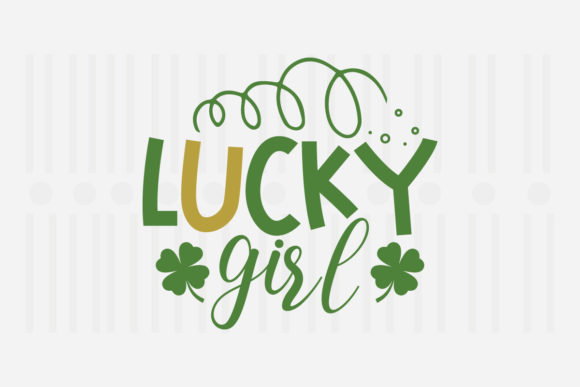
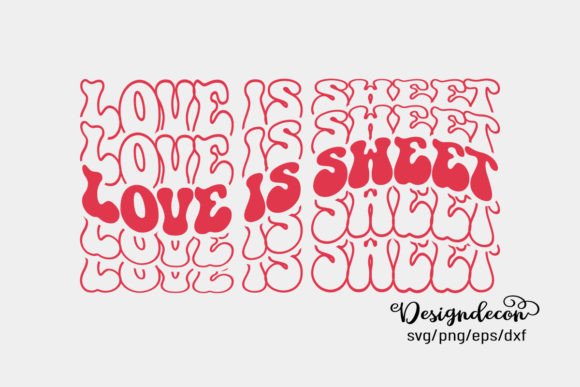
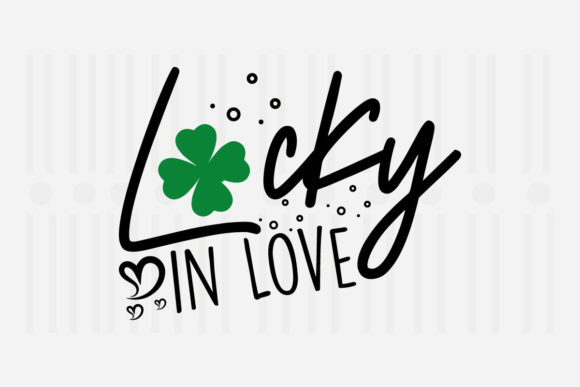
The design centers on a playful intersection of romance and Irish heritage. The typography suggests a whimsical, hand-lettered feel, which is excellent for embroidery because it allows for organic stitch paths rather than rigid, mechanical lines. For those of us in the Crafts and Graphics space, finding a balance between vector cleanliness and stitchability is key. This file presents itself as ready to print and color-changeable, but how does it translate to the hoop?
Visual Personality and First Impressions
The mood of this piece is lighthearted and affectionate. It avoids the cliché heavy-handedness often seen in holiday designs, opting instead for a cleaner aesthetic. The layout appears balanced, with the text and graphical elements working together rather than competing for attention. For an embroidery project, this is crucial. Cluttered designs lead to dense stitch areas that can pucker fabric or break needles.
I appreciate that the source file is provided in EPS or SVG formats. This flexibility is vital for us as designers. Before sending any design to an embroidery machine, I always import the SVG into my digitizing software to inspect the nodes and curves. A clean vector path means less time cleaning up the digital file and more time focusing on stitch types. The claim of "100 Color Changeable" suggests the design uses solid shapes rather than complex gradients, which is ideal for thread work. Thread cannot do gradients naturally; it relies on color blending through stitch direction and density.
Real-World Application: The Tote Bag Test
To truly evaluate Lucky in Love, St. Patrick s Svg, I imagined a specific client request: a custom embroidered tote bag for a boutique gift shop. The client wanted something that felt handmade but professional, suitable for both personal use and resale. This design fits that brief perfectly. The bold lines of the text would stand out beautifully against a natural canvas or a deep green fabric.
When planning this tote bag design, I would likely opt for a satin stitch on the lettering to give it a raised, premium texture. Satin stitches catch the light and add dimension, making the handmade product feel more valuable. However, the width of the letters matters. If the vectors are too thin, a satin stitch might become unstable. If they are too wide, the stitch length could snag. This is where the "easy change color" feature of the original file helps me visualize different thread combinations before I even touch the machine.
For a sweatshirt embroidery project, the approach changes slightly. Fleece and cotton blends require different handling. Here, I might consider a fill stitch for larger graphical elements to prevent the fabric from showing through, while keeping the text in satin for contrast. The design’s simplicity allows it to scale well, meaning it could work on a chest pocket or as a larger back print without losing its charm.
Navigating Fabric and Stitch Challenges
No design is universal, and Lucky in Love, St. Patrick s Svg is no exception. There are specific scenarios where caution is required. If you are working with stretchy fabric, such as jersey knits for t-shirts, you must use a high-quality stabilizer. Without it, the tension from the stitches will distort the cute curves of the design, turning "Love" into a warped mess.
Dark fabrics present another challenge. If you are stitching white or light green thread on black fabric, you need to ensure your digitizing includes an underlay. An underlay stabilizes the fabric and provides a base for the top stitches, preventing the dark fabric from peeking through the lighter threads. Since this is a vector file, you have the control to add these technical layers during the digitizing process. Do not skip this step if you want your finished product to look professional.
Small hoop sizes also require scrutiny. If you are embroidering a cap or a small baby item, you may need to resize the design. Always check the legibility of the text at smaller scales. Tiny details can get lost in the stitch density, so simplifying the design for smaller applications is often necessary. This is where the editable nature of the SVG becomes a powerful tool for the Etsy seller or small shop product creator.
Commercial Viability and Brand Consistency
For commercial embroidery and craft business owners, consistency is brand currency. This design offers a versatile aesthetic that can fit into various product lines, from holiday embroidery collections to year-round personalized gift options. The theme of luck and love transcends a single day, making it relevant for Valentine’s Day overlaps or general good-luck charms.
When creating printable mockup previews for your online store, the clean lines of this SVG will render sharply. Customers buy with their eyes first. A crisp, well-presented digital preview builds trust. Ensure that your mockups show the design on realistic textures, not just flat white backgrounds. Show it on a textured linen napkin or a heather grey hoodie. This helps the buyer visualize the embroidered patch or direct stitch on their own items.
Practical Designer Notes for Best Results
Before you commit to a full production run, follow these practical steps:
- Test on Scrap Fabric: Always stitch out a test sample on the exact fabric type you plan to use. Check for puckering, thread breaks, and registration issues.
- Check Thread Contrast: Use a color wheel to select thread colors that pop against your fabric. High contrast improves readability and visual appeal.
- Review Stitch Density: If you are digitizing this yourself from the SVG, ensure the density is appropriate for the fabric weight. Too dense, and the fabric will stiffen; too sparse, and it will look cheap.
- Confirm Hoop Size: Measure your design dimensions against your machine’s maximum hoop size to avoid resizing errors.
- Inspect Small Details: Zoom in on the vector file. Look for stray nodes or overlapping paths that could cause stitching errors.
- Verify Licensing: While the file is described as ready for use, always double-check the specific license terms for commercial sales. Ensure you are compliant when selling design assets or finished goods.
In conclusion, Lucky in Love, St. Patrick s Svg is a strong contender for your spring inventory. It balances festive theme with modern design sensibilities. By paying attention to the technical aspects of embroidery—stabilizer, stitch type, and fabric choice—you can transform this digital graphic into a tangible, high-quality product that customers will love. It is a reminder that great embroidery starts with a great file, but finishes with skilled execution.