Reviewing Dad Kitchen SVG for Embroidery Projects
As a designer who spends half my life digitizing files and the other half stitching them out, I have learned that not every graphic translates well to thread. When I first encountered Dad Kitchen,Kitchen SVG, my initial reaction was one of cautious optimism. The concept is charming—a playful nod to domestic roles that fits perfectly into the current trend of personalized, humorous home goods. However, seeing a vector on a screen is vastly different from watching a needle pierce fabric. This review breaks down how this specific design performs in real-world embroidery scenarios, moving beyond the digital preview to assess its viability for craft businesses and handmade product lines.
First Impressions and Visual Personality
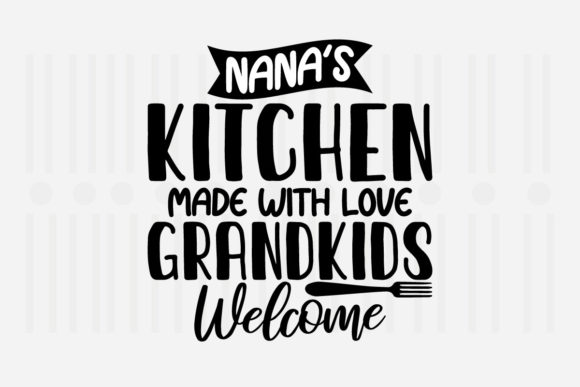
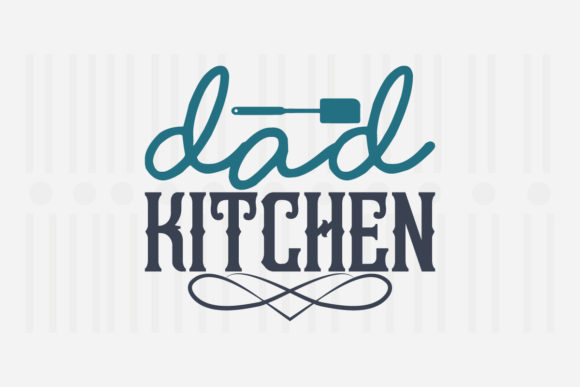
The mood of Dad Kitchen,Kitchen SVG is lighthearted and approachable. It does not try to be overly complex or intricate, which is often a blessing in machine embroidery. The layout appears balanced, with a clear focal point that draws the eye without overwhelming the viewer. For an embroidery designer, this simplicity is crucial. Complex gradients and tiny details often get lost in translation when converted from a Graphics file to a physical stitch pattern. This design seems to rely on bold shapes and readable typography, suggesting it would hold up well even at smaller scales.
The visual personality leans toward the rustic yet modern aesthetic that dominates many Etsy shops and boutique brands today. It feels like a design meant for someone who takes pride in their cooking but doesn’t take themselves too seriously. This emotional connection is what drives sales in the Crafts category. Customers are not just buying a design; they are buying a sentiment. If the stitching is clean and the presentation is professional, this design can become a staple in a small shop’s inventory.
Real-World Application: The Apron Test
To truly evaluate Dad Kitchen,Kitchen SVG, I imagined applying it to a high-use item: a heavy cotton canvas apron. This is a classic gift item for Father’s Day, birthdays, or housewarmings. In this scenario, the design needs to withstand frequent washing and potential exposure to heat and stains. Because the product description notes that the source files are EPS and SVG at 300dpi, we know we are starting with high-resolution assets. This is vital for creating crisp printable mockup images for online listings before any stitching begins.
When preparing this for a sweatshirt embroidery project or a sturdy tote bag, the ease of color change becomes a significant advantage. The description highlights that the design allows for possible and easy color changes, with up to 100 color variations possible. For a craft business owner, this flexibility is gold. You can offer the same design in masculine tones for a dad, neutral tones for a general kitchen enthusiast, or bright colors for a child’s apron. This adaptability increases the perceived value of the finished product without requiring additional digitization work.
Stitching Considerations and Fabric Compatibility
While the vector file is ready to print, transitioning to a machine embroidery design requires careful planning. One must consider the stitch density. If the original graphic has large solid areas, these will need to be filled with appropriate fill stitch patterns to prevent puckering. Conversely, if the text is thin, a satin stitch might be necessary to maintain legibility. I always advise testing the design on scrap fabric first. This step is non-negotiable for maintaining customer trust and ensuring brand consistency.
Fabric texture plays a huge role here. On a smooth cotton twill, the design will look sharp and defined. However, on textured fabrics like terry cloth towels or fuzzy fleece, some finer details might get lost. For a tote bag design or a structured cap, the stability of the material helps support the stitches. But for stretchy fabrics, such as those used in baby embroidery items or fitted t-shirts, a proper stabilizer is essential. Without it, the design could distort after the first wash, ruining the handmade product’s appeal.
Navigating Challenges in Small Hoops and Dark Fabrics
There are situations where Dad Kitchen,Kitchen SVG should be used with caution. If you are working with a small hoop size, such as a 4x4 inch hoop for a pocket patch or a baby onesie, you must ensure the text remains readable. Tiny lettering can become a blob of thread if the stitch count is too high or the needle size is incorrect. I recommend inspecting small details closely in your digitizing software. If the original SVG has very fine lines, you may need to simplify them for embroidery purposes.
Dark fabrics present another challenge. While the design is color-changeable, ensuring sufficient contrast between the thread and the fabric is key to visual appeal. A dark navy thread on a black shirt will vanish. For commercial embroidery projects, offering a version with a lighter outline or using a contrasting underlay can help the design pop. Always test your thread colors against the fabric background before committing to a full production run. This attention to detail separates amateur hobbyists from professional Etsy sellers and small shop product creators.
Enhancing Product Value and Buyer Engagement
Ultimately, the success of Dad Kitchen,Kitchen SVG in your portfolio depends on how it enhances the perceived value of your items. A well-executed embroidery project signals quality and care. When customers see clean edges, consistent tension, and thoughtful color choices, they are more likely to leave positive reviews and return for future purchases. This design, with its relatable theme and versatile application, supports giftability. It works equally well as a holiday embroidery piece for Christmas gifts or a year-round personalized gift for new homeowners.
For digital product sellers, providing high-quality design assets is crucial. Since the package includes EPS and SVG files, you can create stunning digital embroidery file previews. Show the design on various products—mugs, posters, and apparel—to demonstrate its versatility. This helps buyers visualize the end result, boosting buyer engagement and conversion rates. Remember, while the file is ready to print, the embroidery version requires your expertise to shine.
Practical Notes for Designers
- Test Before Selling: Always stitch out a sample on the intended fabric type. Check for puckering, thread breaks, or registration issues.
- Check Licensing: Confirm whether the license allows for commercial use of finished physical items. Most SVG licenses differ from embroidery file licenses.
- Optimize for Embroidery: Do not assume the SVG converts perfectly. You may need to adjust node points or simplify paths for better stitch flow.
- Contrast is Key: Use light threads on dark fabrics and vice versa. Consider adding a border if the design lacks definition on busy backgrounds.
- Stabilizer Selection: Match your stabilizer to the fabric weight. Cut-away for stretchy knits, tear-away for stable wovens.
In conclusion, Dad Kitchen,Kitchen SVG offers a solid foundation for creative entrepreneurs looking to expand their custom apparel or home decor lines. Its strength lies in its simplicity and emotional resonance. By applying professional embroidery techniques and paying attention to fabric and thread choices, you can transform this digital graphic into a tangible, high-value embroidered patch or garment feature that customers will love. It is a reminder that in the world of handmade goods, the best designs are those that tell a story through every stitch.