Reviewing Pinch Proof St. Patrick’s SVG for Real Embroidery
As a designer who spends half my life staring at digitized files and the other half pulling bobbins out of tangled messes, I have learned to be skeptical of anything labeled "pinch proof." In the world of machine embroidery design, that term usually promises a miracle: a design that looks crisp without requiring excessive stabilizer or complex hooping techniques. When I first loaded the Pinch Proof, St. Patrick’s Svg into my workspace, I wasn’t looking for magic. I was looking for practicality. I wanted to know if this graphic could survive the transition from a digital asset in the Crafts and Graphics category to a tangible, stitched product that a customer would actually pay for.
First Impressions: Mood and Visual Personality
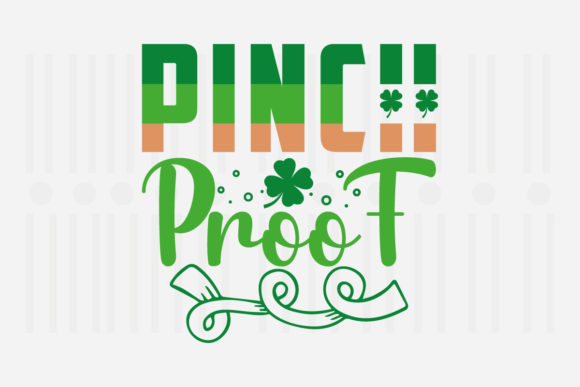
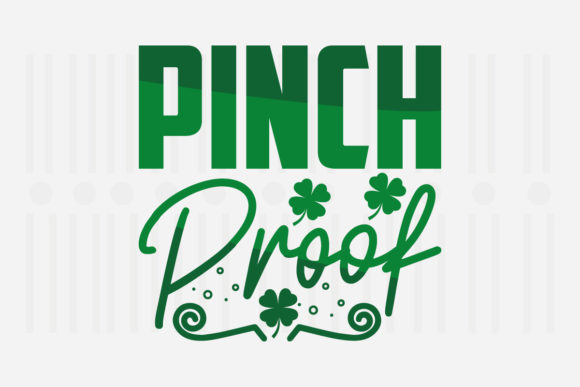
The immediate appeal of this St. Patrick’s SVG Quote lies in its clean lines and bold thematic presence. It does not rely on overly intricate shading or microscopic details that vanish under thread. Instead, it offers a strong visual personality that reads well from a distance. For an embroidery project, this is crucial. The design creates a festive, cheerful mood appropriate for holiday gifts, boutique branding, or seasonal custom apparel. The layout feels balanced, suggesting that it was created with an understanding of how shapes interact when filled with thread rather than just ink.
What stands out is the versatility implied by the file structure. With options for easy color changes and source files in EPS or SVG formats, this asset bridges the gap between traditional embroidery and modern digital crafting. It feels ready for print, but more importantly, it feels ready for stitch. The simplicity of the shape means it is less likely to cause registration issues on curved surfaces like caps or mugs, making it a strong candidate for diverse product lines.
Real-World Application: From Screen to Stitch
To test the viability of this design, I imagined a specific scenario: a small batch of custom tote bag design projects for a local shop’s St. Patrick’s Day promotion. Tote bags are notorious for their loose weave and lack of structure, which can cause even the best embroidery file to pucker or distort. Here is where the "pinch proof" claim faces its real test.
If I were stitching this onto a canvas tote, I would pair it with a medium-weight cut-away stabilizer. The bold nature of the design suggests it can handle a moderate stitch density without becoming stiff. For a sweatshirt embroidery project, the same design would likely perform beautifully using a tear-away stabilizer, as the fleece provides enough body to support the stitches. The ability to change colors easily means I could adapt the thread palette to match specific brand colors or offer variations for different customer preferences, enhancing the perceived value of the handmade product.
Beyond apparel, this design fits well into the realm of personalized gift items. Imagine it stitched onto a kitchen towel or a nursery decor piece for a baby born in March. The clean lines ensure that the message remains legible even after multiple washes, which is a key factor in building customer trust. For Etsy sellers and small shop owners, this reliability translates to fewer returns and better reviews.
Navigating Potential Pitfalls
While the design is robust, no digital embroidery file is immune to poor execution. There are specific scenarios where caution is required. If you plan to use this on thin, stretchy fabric like a lightweight jersey tee, the lack of inherent structure in the fabric might cause the edges of the design to pull. In such cases, using a high-quality stabilizer is non-negotiable. Additionally, if you are working with a small hoop size, ensure that the design scales down without losing its essential character. Tiny lettering or fine details can become lost if the design is reduced too much, so always check the proportions before hitting start.
Dark fabrics present another challenge. Since this is a quote-based design, contrast is key. If you are stitching white thread on black fabric, you must ensure that the stitch type—whether satin stitch or fill stitch—provides enough coverage to prevent the background from showing through. A test run on scrap fabric is essential here. Do not assume the default settings will work for every material. Check the thread tension and adjust the density if the fabric appears to gather or pucker during the test.
Enhancing Product Value and Brand Consistency
From a business perspective, the quality of your design assets directly impacts your brand consistency. Using a clean, professional-looking graphic like Pinch Proof, St. Patrick’s Svg signals to customers that you care about detail. It elevates a simple embroidered patch or apron from a generic item to a curated piece of merchandise. For commercial embroidery projects, this level of polish is what allows you to charge premium prices.
The flexibility of the file format also supports better marketing. You can create high-quality printable mockup images for your online store without needing to stitch every single color variation. This saves time and resources while still giving customers a clear idea of what the finished product will look like. Whether you are selling physical goods or digital designs, the professionalism of the source file matters.
Practical Notes for the Serious Crafter
Before committing to a large production run, take these steps to ensure success with this design:
- Test on Scrap Fabric: Always stitch a sample on the exact material you plan to use. This reveals issues with tension, density, and stabilizer compatibility.
- Check Thread Contrast: Verify that your chosen thread colors stand out against the fabric. Use black and white mockups to assess readability if color perception is a concern.
- Review Stitch Density: If the design feels too heavy, consider adjusting the density settings in your software to reduce bulk, especially on delicate fabrics.
- Confirm Licensing: Since this file includes source formats like EPS and SVG, clarify whether the license allows for commercial use of the stitched items or if it is limited to personal projects. This is critical for craft business operations.
- Inspect Small Details: Zoom in on the digital file to check for any stray nodes or open paths that could cause stitching errors.
In conclusion, Pinch Proof, St. Patrick’s Svg is a solid addition to any designer’s library. It balances aesthetic appeal with technical practicality, making it suitable for a wide range of applications from holiday embroidery on home goods to branded custom apparel. By approaching it with a critical eye and proper preparation, you can leverage this graphic to create high-quality, marketable products that resonate with customers. It is not just a file; it is a tool for building a reputable, creative enterprise.