Reviewing the All You Need is Love Retro Groovy Svg
As a designer who spends half my life digitizing and the other half stitching, I have learned that not every pretty graphic translates well to thread. We often get swept up in the visual appeal of a digital embroidery file on a screen, forgetting the mechanical realities of the needle hitting fabric. Recently, I pulled up the All You Need is Love Retro Groovy Svg to evaluate its potential for an upcoming spring collection. My goal was not just to admire the aesthetics, but to determine if this asset could hold up in real-world production for my clients.
First Impressions and Visual Personality
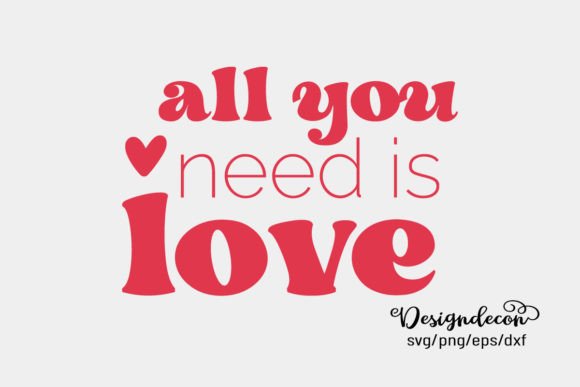
The immediate vibe of this design is nostalgic warmth. It captures that specific seventies aesthetic—curvy, bold, and unapologetically cheerful. For a machine embroidery design, the layout is critical. The typography here features thick, rounded strokes that suggest a heavy reliance on satin stitch or dense fill stitch work. This is generally good news for durability, as thin lines tend to break or look sparse after washing. The "groovy" element implies movement, which can be tricky to replicate with thread, but the vector nature of the source file suggests clean paths that should convert smoothly into stitch data.
When I first opened the files, I was looking for clarity. The description notes it includes EPS, SVG, DXF, and PNG formats. For us in the Crafts and Graphics space, having the vector files is a massive advantage. It means we are not stuck with a pre-digitized pattern that might have poor stitch placement. Instead, we can use these vectors as the foundation for our own digitizing software, ensuring the stitch density matches our specific machine capabilities and thread types.
Real-World Application: The Tote Bag Test
To truly test the All You Need is Love Retro Groovy Svg, I envisioned a specific product: a heavy canvas tote bag. This is a staple item for any Etsy seller or small shop product line. Canvas is unforgiving; it shows every puckering issue and every gap in coverage. I imagined placing this quote centrally on the bag. The retro font’s weight would provide excellent coverage against the textured weave of the canvas.
In this scenario, the design serves as more than just decoration; it becomes the brand statement. A customer buying a personalized gift or a handmade product wants something that feels substantial. The boldness of this design promises visibility. However, because the letters are interconnected and curvy, I would need to pay close attention to the tie-ins and jump stitches during the digitizing phase. If not handled correctly, those long travel stitches could show on the back of the tote, affecting the professional finish.
Navigating Fabric and Hoop Constraints
While the design shines on sturdy materials like denim or canvas, I would exercise caution with delicate fabrics. If you are planning baby embroidery on a soft onesie, the density required to make those retro letters pop might be too stiff for a baby’s sensitive skin. In such cases, I would recommend using an applique design approach. You could use the SVG shape to cut a felt or cotton layer, then satin stitch around the edge. This reduces the bulk of thread while maintaining the visual impact of the embroidery project.
Another consideration is the hoop size. The description mentions the file is easy to resize. This is crucial for versatility. You might want this on a sweatshirt embroidery project, which allows for a large 5x7 or 6x10 hoop, or perhaps on a cap, which requires a smaller, curved surface. When shrinking vector graphics for embroidery, be wary of tiny details. The inner counters of letters like 'e' and 'a' can fill in with thread if scaled down too much without adjusting the stitch width. Always test a small version on scrap fabric before committing to a final finished product.
Color Strategy and Thread Selection
The "Retro Groovy" theme invites a specific color palette. Think mustard yellows, burnt oranges, and avocado greens. However, from a production standpoint, thread color availability matters. Using standard thread colors ensures your customers can easily replace or match items later. I recommend creating mockups in both vibrant retro tones and classic monochrome. A black-on-white or white-on-navy version of this design often sells better to customers who prefer subtle branding over loud statements.
Testing the design in black and white is a pro tip. It reveals the contrast and readability without the distraction of color. If the design holds up in grayscale, it will likely succeed in color. This step is essential for maintaining brand consistency across different product lines, from kitchen towel sets to embroidered patch collections.
Commercial Viability and Licensing
For commercial embroidery professionals, the legal aspect is as important as the technical one. The product description highlights that it is a vector file suitable for sublimation and cutting, but it does not explicitly detail the commercial license terms for embroidered goods. Before listing items on your store, you must verify the license. Can you sell physical items made with this design? Are there limits on quantity? Never assume. Contact the creator or check the included documentation to ensure you are protected.
Assuming the license permits commercial use, this design has high potential for holiday embroidery campaigns, particularly around Valentine’s Day or anniversaries. It fits seamlessly into the custom apparel market. The emotional resonance of the phrase "All You Need is Love" combined with the trendy aesthetic creates a strong hook for social media marketing. It is shareable, recognizable, and emotionally positive.
Final Designer Notes
Before you run this design on your client’s expensive garment, follow these practical steps:
- Stabilizer Choice: Use a cut-away stabilizer for stretchy fabrics like sweatshirts to prevent distortion. For woven fabrics like tote bags, a tear-away may suffice, but cut-away offers more longevity.
- Needle Selection: Ensure your needle is sharp enough to penetrate the layers without causing runs, especially if using dense fill stitches.
- Test Stitch: Always sew out a test sample on the actual fabric you intend to use. Check for puckering, thread breaks, and registration issues.
- File Preparation: Since you have the SVG and DXF files, take the time to digitize it properly for your specific machine. Do not rely on auto-digitizing software alone; manually adjust pull compensation and underlay stitches.
The All You Need is Love Retro Groovy Svg is a strong candidate for your next craft business venture. It balances trendiness with structural simplicity, making it adaptable for various design assets. Whether you are creating printable mockup previews for your online store or stitching actual tote bag design prototypes, this graphic offers a solid foundation. Just remember that the difference between a good design and a great embroidered product lies in the preparation, the stabilizer, and the respect for the material. Treat this vector as a blueprint, not just a picture, and you will create pieces that customers cherish.